I engineer AI digital operating systems that turn manual industries into AI-driven markets.
I use Full-Stack Engineering to bridge the critical gap between Customer Demand and Operational Execution. I do it with governance, scalability, and ethics built in.
- The Infrastructure: I architect multi-tenant, asset-light systems that scale without overhead.
- The Connective Tissue: I deploy NLP, Computer Vision, and Predictive Models (Regression, Classification, Time-Series) to automate decisions.
- The Outcome: I build platforms that autonomously orchestrate logistics, secure revenue streams, and dominate markets.
Flagship Platform: MESS Tracker
The Asset-Light Operating System for Waste Management
Flagship Platform: MESS Tracker
The Asset-Light Operating System for Waste Management
MESS Tracker is a multi-tenant SaaS marketplace that digitizes the entire waste service lifecycle. It serves as a centralized operating system, replacing fragmented, manual workflows with an intelligent, data-driven platform that connects demand, dispatch, and execution.
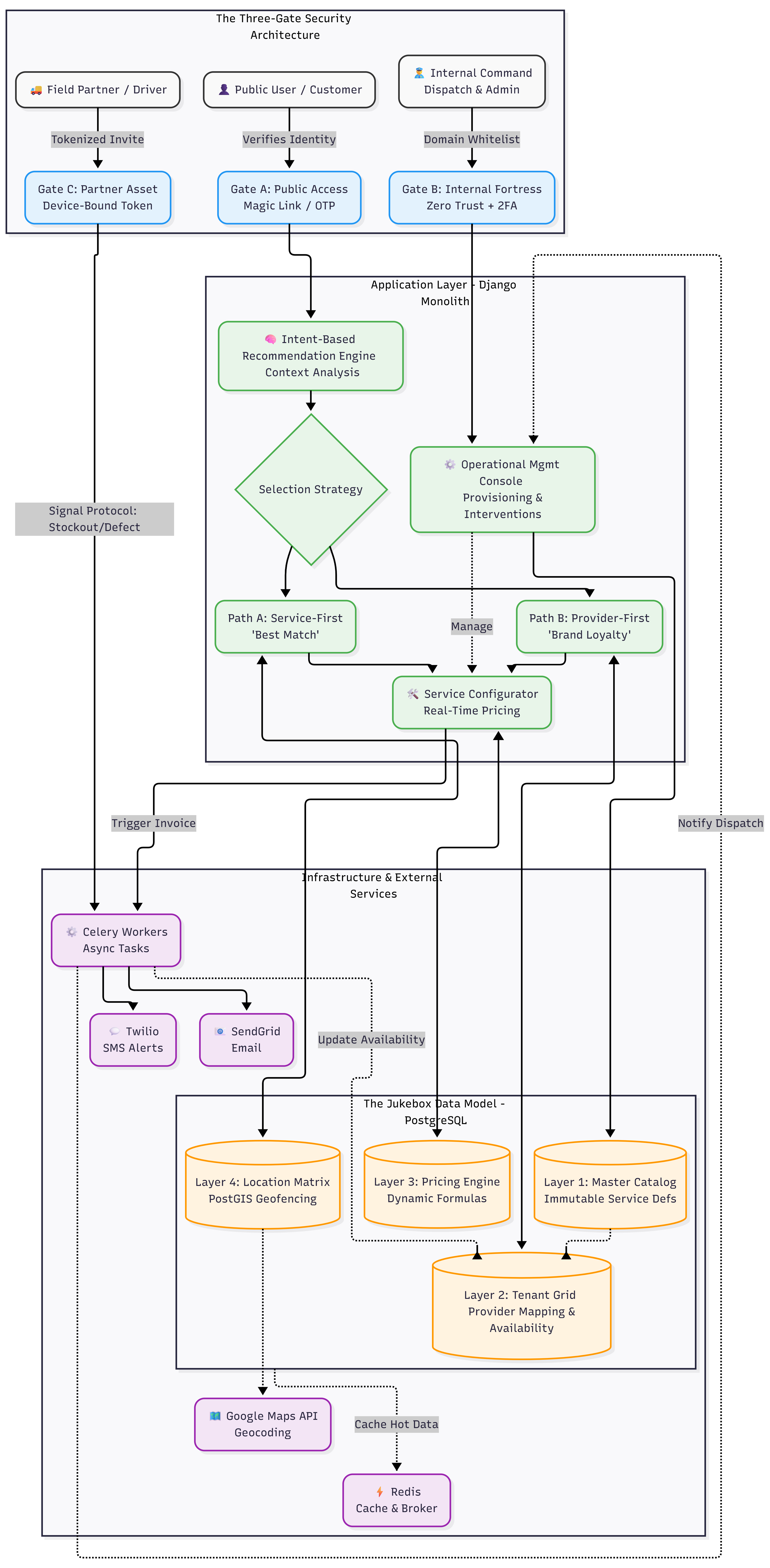
System Architecture: The "Three-Gate" Model
🔐 Zero-Trust Security
Implemented a Three-Gate Architecture to strictly isolate:
• Public Users (Magic Link Auth)
• Internal Ops (2FA Fortress)
• Drivers (Device-Bound Tokens)
💾 The "Jukebox" Data Model
Designed a hierarchical relational model separating Service Definitions from Tenant Availability.
The system orchestrates 98+ micro-services and 18+ core clusters across 8+ tenants , utilizing Redis to serve 10,000+ cached keys with millisecond latency.
AI as Infrastructure
Operational Intelligence (Not a Feature)
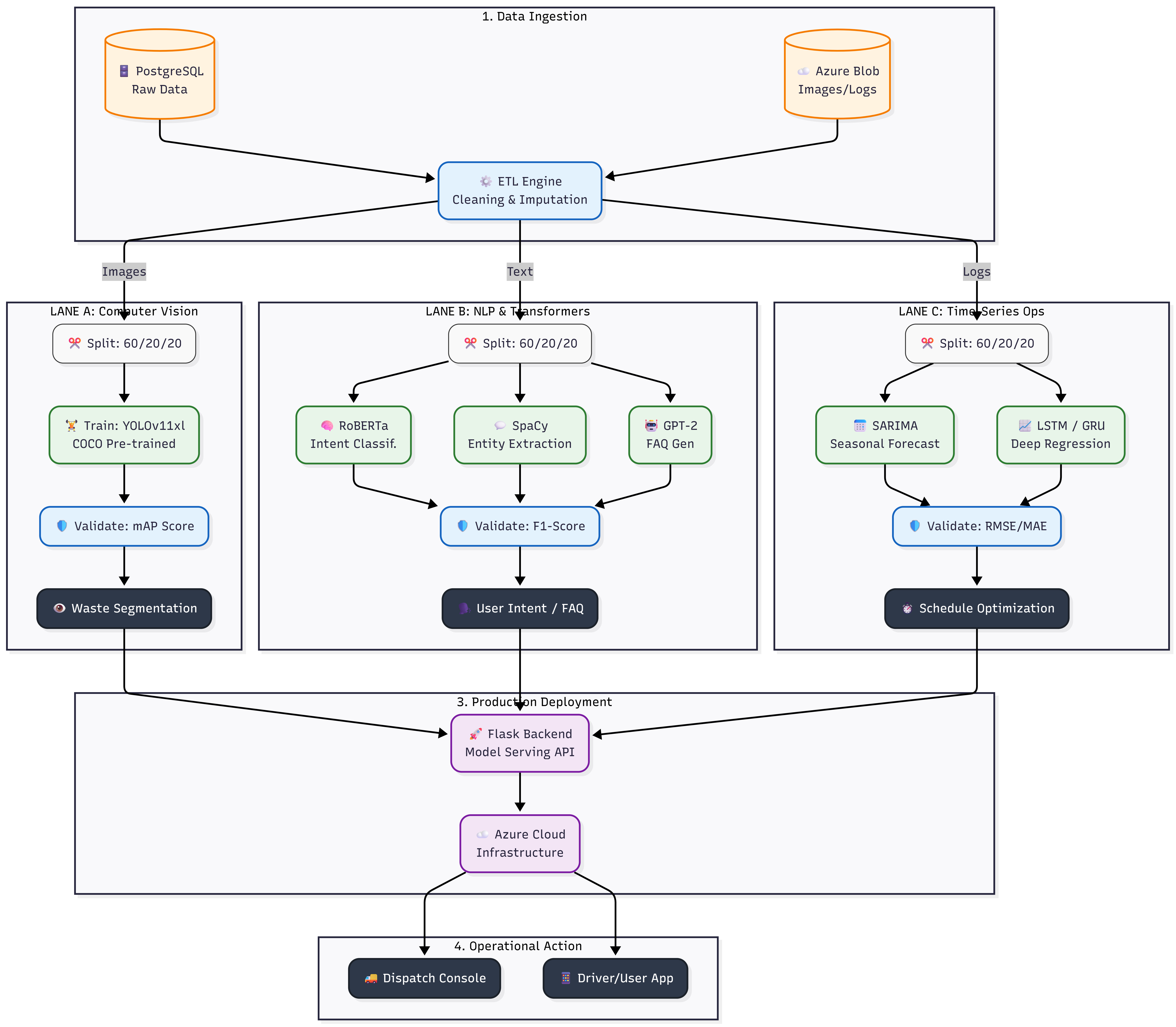
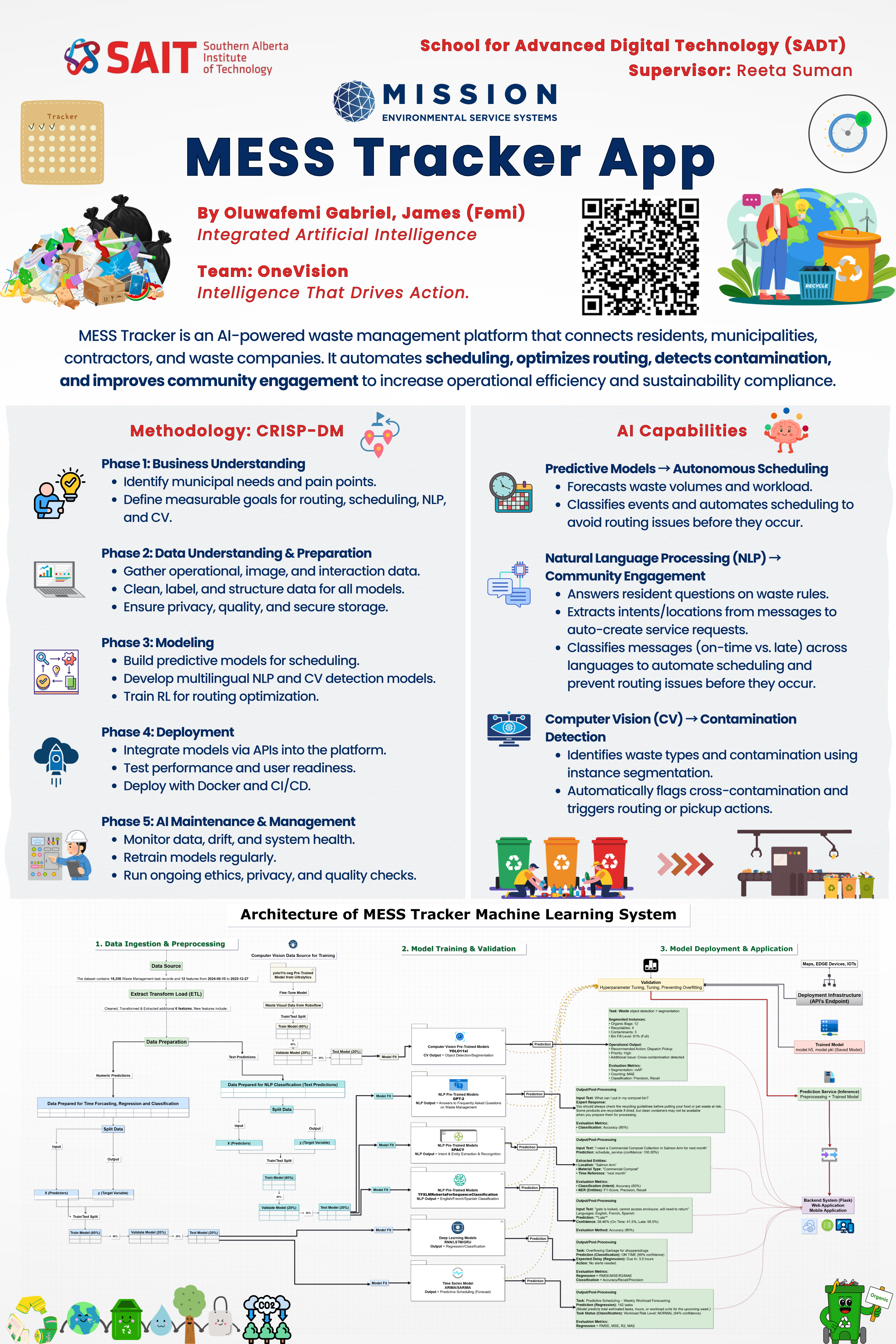
AI inside MESS Tracker is an operational infrastructure embedded directly into the "Three-Gate" workflow. It coordinates Vision, Language (Multilingual), Risk-analysis (Regression/Classification), and Time-Series intelligence to automate logistics.
Implemented Capabilities
💬 NLP & Transformers
Intent Recognition: Acts as the "Front Door," routing unstructured requests to DB tables.
👁️ Computer Vision
Automated Inspection: Real-time waste classification and contamination detection.
📈 Predictive Ops
Demand Forecasting: Predicting operational load to optimize driver scheduling.
🎨 Frontend & Execution
From Insight to Automation
The User Interface is the bridge between the AI models and the real world. Below is the operational workflow: Dashboarding → Predictive Planning → AI Automation → Final Dispatch.
👆 Tap any slide below to view full screen
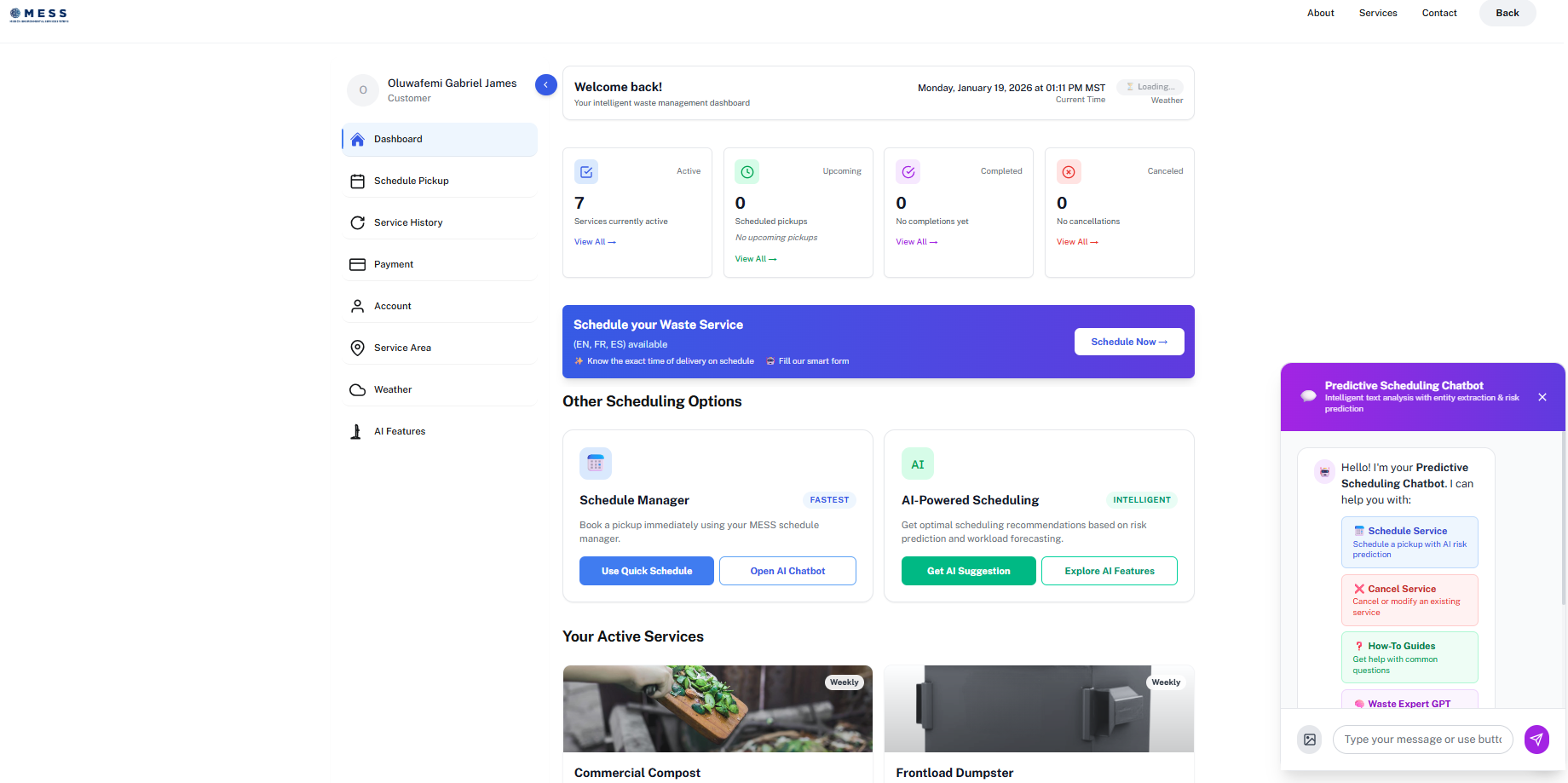
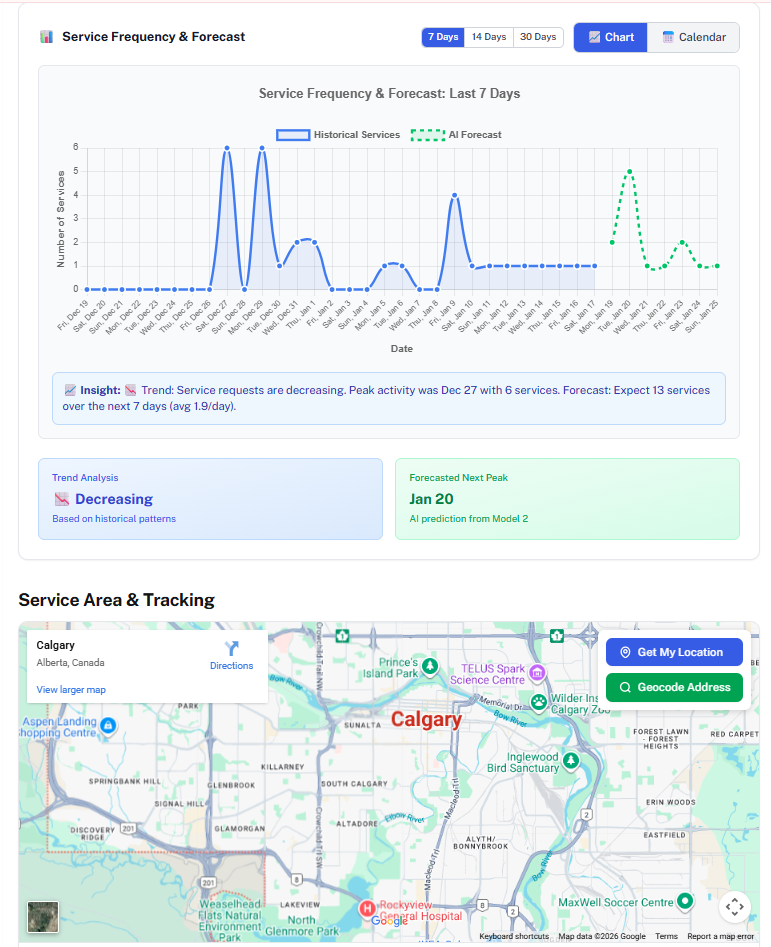
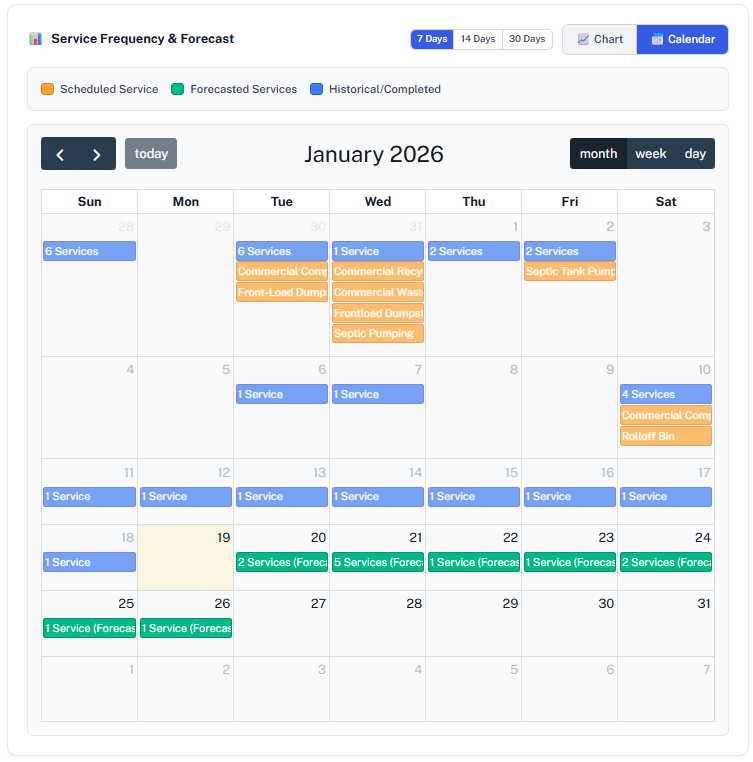
(Swipe right to view AI Demos & Dispatch Video) →
🏆 Real-World Impact
Beyond Localhost: Defense & Recognition
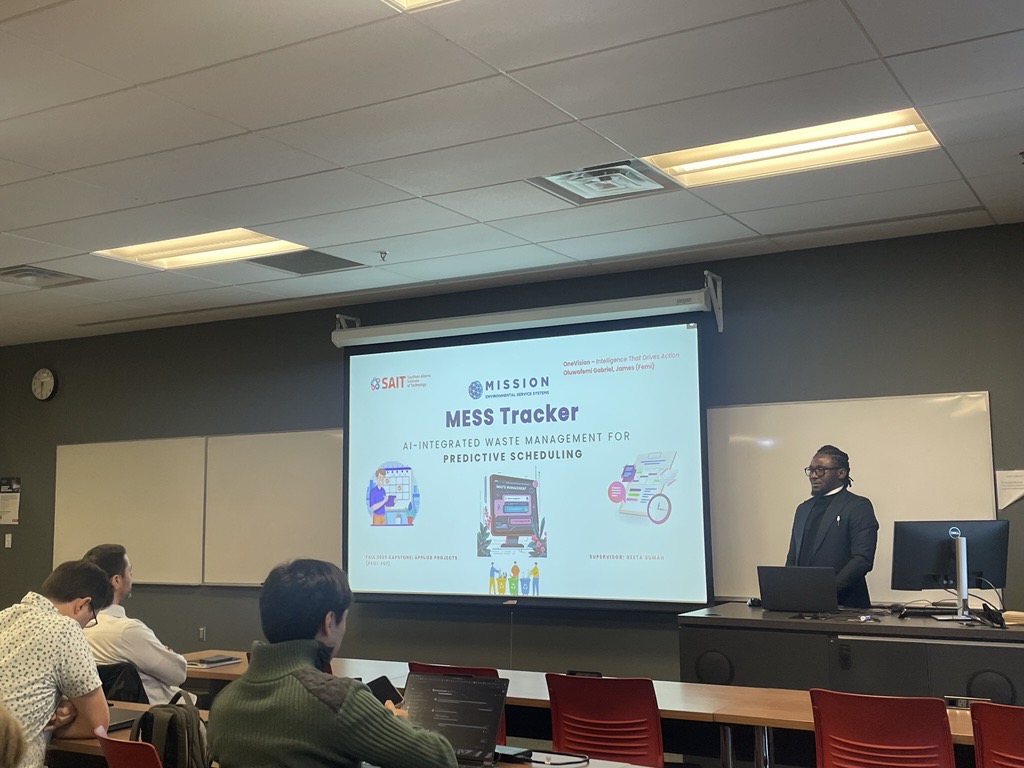
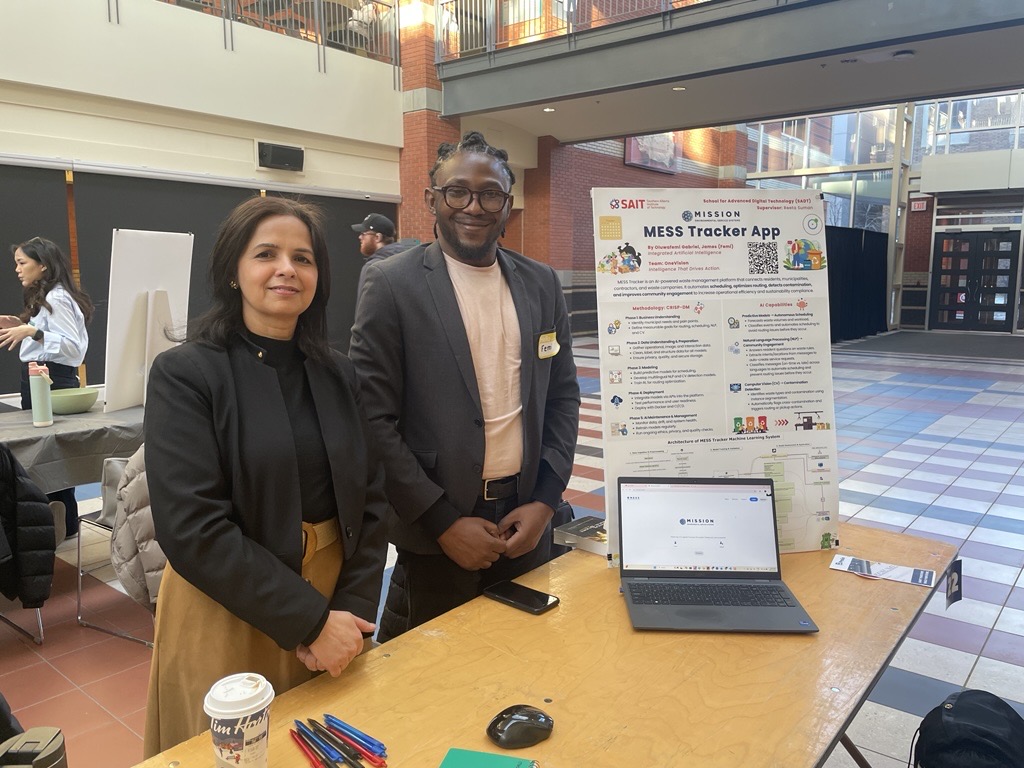
MESS Tracker wasn't just a theoretical exercise. It was a rigorous Capstone project that involved academic defense, stakeholder presentations, and public showcasing. It stands as a proof-of-concept for how AI can tangibly modernize municipal infrastructure.
Collaborative AI: StrokeRisk System
Clinical Decision Support & MLOps Governance
Collaborative AI: StrokeRisk System
Clinical Decision Support & MLOps Governance
The Leadership Context: While MESS Tracker showcases my solo architectural skills, StrokeRisk demonstrates my ability to lead and integrate within high-performance teams.
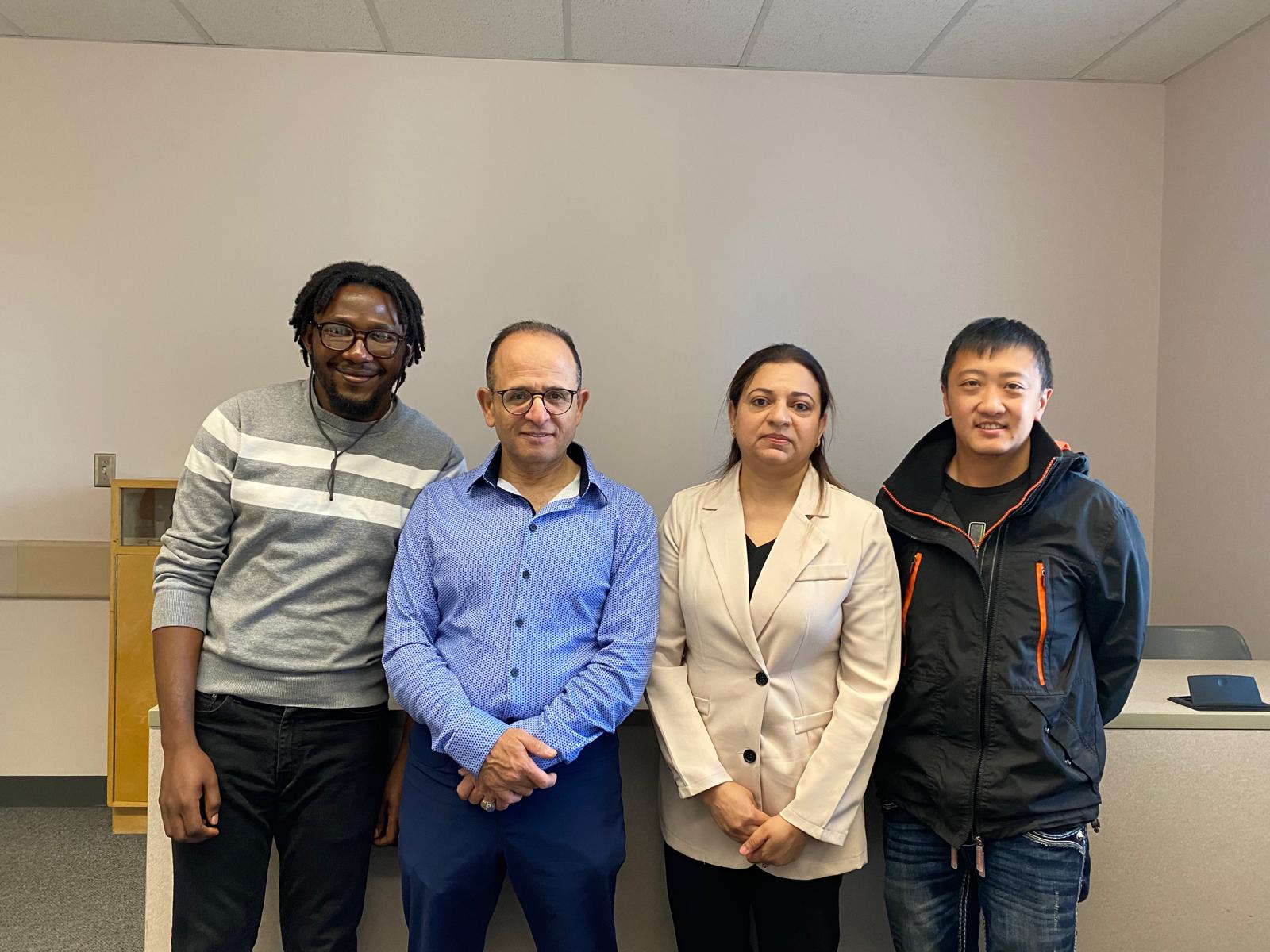
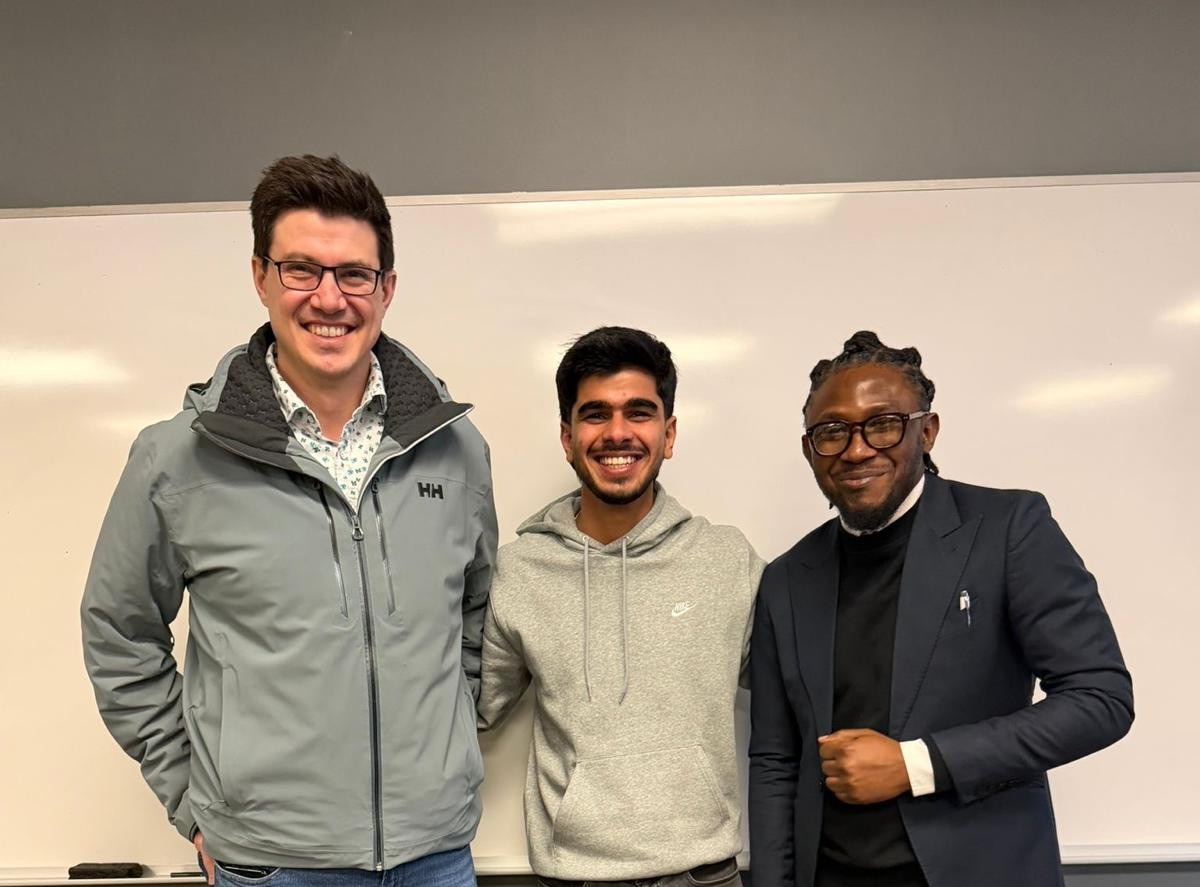
Leading Group 4 (G4 Pulse): Fuad, Preston and Marrium in our first semester for development and Group 2 (G2): Kevin and Shalin in our second semester for MLOps, I orchestrated the transition from a raw dataset to a governed, FDA-aligned deployment. We moved beyond "just coding" to building a compliant, auditable lifecycle.
StrokeRisk is an end-to-end clinical decision-support system built using the CRISP-DM Methodology. It leverages a Soft-Voting Ensemble Model to predict stroke probability with high recall, ensuring high-risk patients are identified early.
🏆 Validated Performance
Cloud Deployment
The final system was deployed on Streamlit Cloud, serving the MLflow-registered model via a REST API. The frontend was designed using Human-Centered Design principles (Fogg Behavior Model) to ensure clinician trust.
Features Implemented:
• Real-time Risk Assessment
• SHAP-based Explainability (Why did the model say yes?)
• PDF Report Generation
Ready to build for the real world?
I am currently based in Calgary, AB and available for
Product Engineering & Management roles.